Water Heater Failure in Leander, TX
A 40 or 50 gallon tank that lets go dumps its water all at once, then keeps refilling. The extraction crew clears it, and the drying team chases what ran under walls and cabinets.
(888) 926-4485Get Leander water extraction started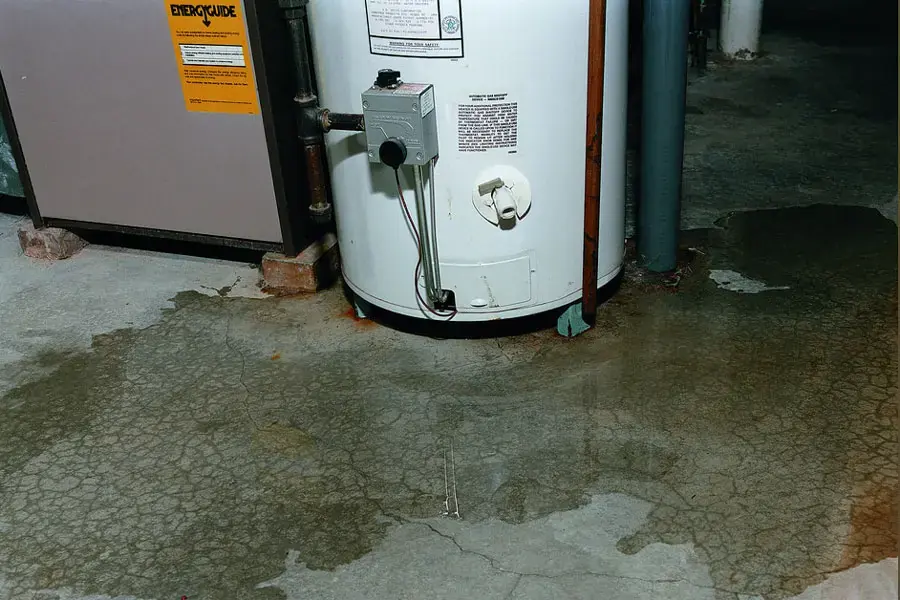
What to do the moment you find water heater failure
Close the cold inlet
Turn the valve on the cold pipe at the top of the tank to off.
Cut gas or power
Set the gas valve to off or switch off the heater's breaker.
Clear the floor
Move stored boxes and items off the wet garage or closet floor.
Photograph the tank
Record the data plate, the leak point and the wet areas.
How water heater failure is handled in Leander
Moisture mapped first
The tech who does the walkthrough maps the wet area with pinless meters and thermal imaging before any equipment goes down, so the plan matches what is actually wet.
Equipment sized to the room
The drying team sets air movers to each room's evaporation load and runs LGR dehumidifiers, and the gear stays until the readings say dry.
Claim-ready documentation
Daily moisture readings, psychrometric logs and timestamped photos go into the job file, the record an adjuster reads.
What does water heater failure cost in Leander, TX?
In Leander, TX, water heater failure cleanup typically runs $800 to $5,000, not counting the new tank. Garage failures sit at the low end; attic failures that reach ceilings and walls sit at the high end.
Garage tank, dry house side
- Extraction
- Shared wall readings
- Garage drying
Closet tank or wet shared wall
- Baseboard removal
- Wall cavity drying
- Flooring checks
Attic tank failure
- Ceiling and insulation work
- Two-level drying
- Claim documentation
Ranges move with the water category, the square footage, the material class and how fast drying started. For a closer planning number, try the water damage cost calculator.
Leander builders put tank water heaters in three places: the garage, an interior closet or the attic. The garage is the most forgiving, although water still runs under the wall into the house. An attic tank is the worst case, because a failed tank or a rusted-out pan sends water straight into the ceiling and walls below. Most tanks here last around eight to twelve years, and the hard water across Central Texas can shorten that.
How a tank usually fails
- The tank body rusts through at the bottom and leaks slowly, then all at once.
- A supply connector or fitting at the top fails and sprays.
- The temperature and pressure relief valve discharges and its drain line is missing or clogged.
- The drain pan under an attic tank overflows or has no drain line at all.
Close the cold water inlet valve at the top of the tank to stop it refilling, then shut off the gas or the breaker for the heater.
Garage tanks: watch the shared wall
Water from a garage tank runs across the garage slab and under the bottom plate of the wall into the laundry room, hallway or kitchen next to it. The tech who does the walkthrough checks that shared wall and the flooring behind it with a meter even when the house side looks dry. Baseboards come off and small vent holes let the drying team push air into the cavity.
Attic and closet tanks: a ceiling and floor job
An attic failure is handled like a ceiling leak: sag check, wet insulation out, ceiling dried or removed. A closet tank soaks the surrounding flooring and wall bottoms. Either way, air movers and LGR dehumidifiers run until the readings reach the goal. The Department of Energy water heating page covers tank life and maintenance, and the EPA WaterSense leak page shows how to check for slow leaks.
Tank leaking now? Close the cold inlet, turn off the gas or breaker and call (888) 926-4485
Covering Leander and the ZIPs around it
The Leander restoration crew covers the city and the paying ZIP areas around it, day and night.
Coverage runs across Leander (78641 and 78646), the Jonestown, Lago Vista and Point Venture side (78645), and on into Cedar Park and Liberty Hill.
Neighborhoods include Crystal Falls, Travisso, Palmera Ridge, Bryson, Benbrook Ranch, Mason Hills and Old Town Leander.
See every neighborhood and ZIPRelated water damage services in Leander
Water Heater Failure questions, answered
How do I stop a leaking water heater?
Close the cold water inlet valve on top of the tank so it stops refilling, then turn the gas valve to off or switch off the heater's breaker. If the inlet valve will not close, shut the main water valve.
Why did water end up inside the house from a garage heater?
Garage slabs slope, and water runs under the bottom of the shared wall into the next room. Drywall and baseboards on the house side wick it up, which is why the crew checks that wall with a meter.
Is water heater damage covered by insurance?
The sudden water damage from a failed tank is often covered, but the tank itself usually is not. It is worth checking with your own insurer and keeping photos of the failed tank and the wet areas.
How long do water heaters last in Leander?
Most tank heaters last about eight to twelve years. Central Texas hard water builds up sediment that can shorten that, so flushing the tank yearly and checking the anode rod helps.
What is the drain pan for under an attic heater?
It catches drips and small leaks and should have a drain line to the outside. A pan without a drain, or with a clogged one, only delays the overflow. A float switch that shuts the water off adds protection.
How long does drying take after a tank failure?
Garage and closet losses usually dry in two to four days. Attic failures that soaked ceilings and insulation take three to five days or more, and readings decide when the equipment leaves.
Water on the floor in Leander? Start the dry-out now.
Every hour of standing water pushes it further into drywall, baseboards and the slab. The Leander restoration crew extracts first, then dries to the IICRC S500 standard.
Leander, TX and southwest Williamson County