Hail Storm Roof Leak Damage in Leander, TX
Spring and fall storms drop hail across Williamson County, and a damaged roof lets the next rain straight into the attic. The mitigation team dries the inside while the roof gets tarped and repaired.
(888) 926-4485Get Leander water extraction started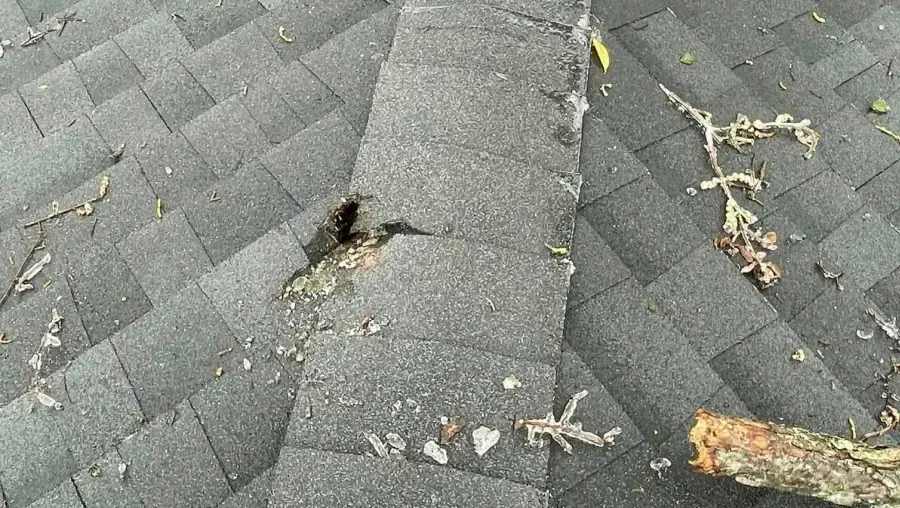
What to do the moment you find hail storm roof leak damage
Catch the water
Put buckets and towels under every drip and move valuables away.
Avoid wet ceilings
Stay out from under sagging or bulging drywall.
Document the storm
Photograph hail, roof damage from the ground and every interior stain with the date.
Get the roof covered
A roofer tarps the damaged area so the next rain stays out.
How hail storm roof leak damage is handled in Leander
Moisture mapped first
The tech who does the walkthrough maps the wet area with pinless meters and thermal imaging before any equipment goes down, so the plan matches what is actually wet.
Equipment sized to the room
The drying team sets air movers to each room's evaporation load and runs LGR dehumidifiers, and the gear stays until the readings say dry.
Claim-ready documentation
Daily moisture readings, psychrometric logs and timestamped photos go into the job file, the record an adjuster reads.
What does hail storm roof leak damage cost in Leander, TX?
In Leander, TX, interior water damage from a hail storm roof leak typically runs $1,000 to $6,000, not counting the roof repair. Attic insulation, how many ceilings got wet and whether walls took water drive the range.
One stain, attic only
- Attic moisture map
- Spot insulation removal
- Ceiling drying
Several ceilings
- Insulation removal
- Ceiling drying or removal
- Air movers and LGR units
Ceilings and walls, two levels
- Drywall removal
- Wall cavity drying
- Storm claim documentation
Ranges move with the water category, the square footage, the material class and how fast drying started. For a closer planning number, try the water damage cost calculator.
Central Texas sits in one of the most active hail corridors in the country, and the Leander and Cedar Park area sees damaging storms most springs. Hail cracks shingles, knocks granules loose, splits vents and dents flashing. The roof may look fine from the street, but the next heavy rain finds every opening and runs down the decking into the attic.
How roof water moves once it is inside
Rain that gets past the shingles follows the decking and rafters, soaks the insulation and pools on the ceiling drywall. It often shows up far from the actual roof opening, along a wall top plate or around a light fixture. On two-story homes it can run down an interior wall into the first floor.
- Stains that grow after each rain are a roof leak until proven otherwise.
- Wet insulation on the attic floor usually sits right below the entry point.
- Walls under a roof valley or around a chimney chase often get wet inside.
Inside first, then the rebuild
A roofer tarps and repairs the roof. The restoration team works the interior: the tech who does the walkthrough maps the attic, ceilings and wall tops with thermal imaging and meters, the crew removes soaked insulation and any ceiling that sagged, and the drying team sets air movers and LGR dehumidifiers until the framing and drywall reach the drying goal. Rain that sat for days in a hot attic is handled as Category 2.
Storm claims need a clean record
Hail claims usually involve both the roof and the interior, so the documentation matters. The job file carries the moisture map, daily readings and timestamped photos of every removed material. The NOAA Storm Prediction Center keeps storm reports that help pin down the date of a hail event, and the Texas Department of Insurance explains how storm claims and deductibles work in Texas.
Water coming in after a hailstorm? Get buckets under the drips, keep people out from under wet ceilings and call (888) 926-4485
Covering Leander and the ZIPs around it
The Leander restoration crew covers the city and the paying ZIP areas around it, day and night.
Coverage runs across Leander (78641 and 78646), the Jonestown, Lago Vista and Point Venture side (78645), and on into Cedar Park and Liberty Hill.
Neighborhoods include Crystal Falls, Travisso, Palmera Ridge, Bryson, Benbrook Ranch, Mason Hills and Old Town Leander.
See every neighborhood and ZIPRelated water damage services in Leander
Hail Storm Roof Leak Damage questions, answered
How do I know if hail damaged my roof?
Look for dented gutters, vents and flashing, granules in the downspouts, and cracked or bruised shingles. New ceiling stains after the next rain are a strong sign water is getting through. A roofer can confirm from the roof.
Who fixes the roof and who dries the house?
A roofer tarps and repairs the roof. The water damage restoration team handles the attic, ceilings, walls and floors inside, and the two usually work the same claim.
Can the attic insulation stay after a roof leak?
Dry insulation stays. Insulation that soaked through usually gets removed from the affected area, because it holds water against the ceiling and dries poorly.
Is hail roof leak damage covered?
Hail is commonly a covered peril on Texas homeowners policies, often with a separate wind and hail deductible. Interior water damage from the resulting leak is usually part of that claim. It is worth checking with your own insurer.
Why is the stain far from where the roof leaks?
Water follows the roof decking and rafters downhill before it drips, so it can travel several feet from the opening. Thermal imaging and moisture readings trace the path.
How long does drying take after a roof leak?
Most attic and ceiling losses dry in three to five days once wet insulation is out and the roof is covered. Repeated rain before the roof is tarped can extend it.
Water on the floor in Leander? Start the dry-out now.
Every hour of standing water pushes it further into drywall, baseboards and the slab. The Leander restoration crew extracts first, then dries to the IICRC S500 standard.
Leander, TX and southwest Williamson County